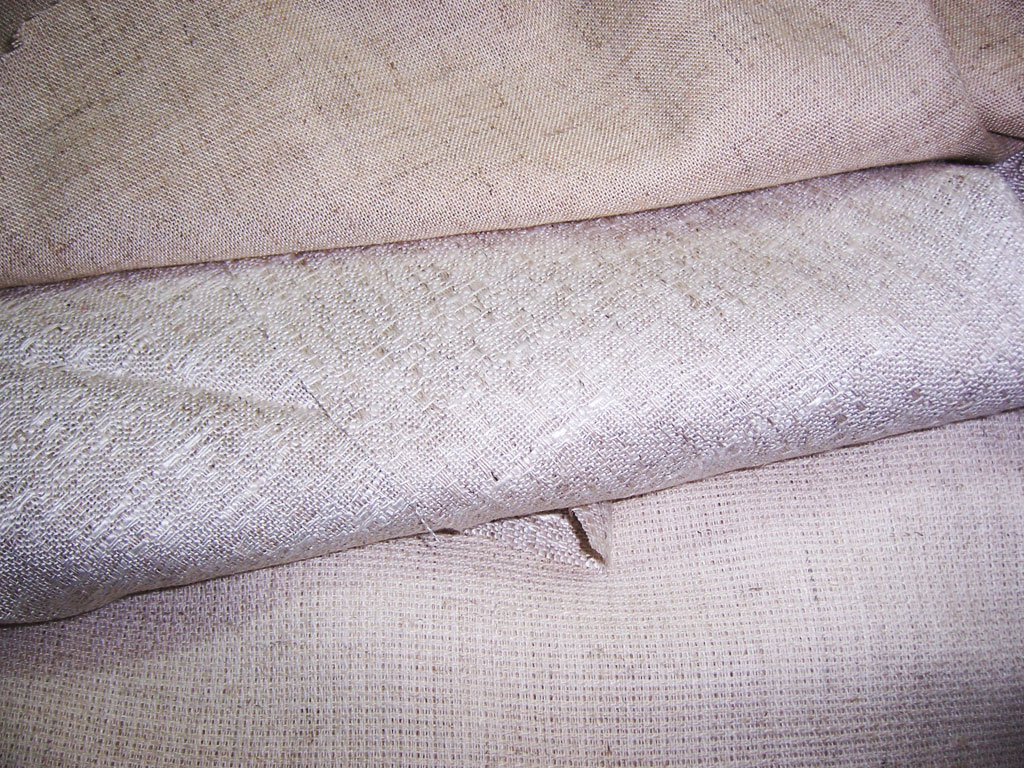
Linen is a cellulose-based fiber derived from the flax plant. Its cell structure is more uniform than cotton, which makes it strong and relatively resistant to surface wear. At the same time, this regularity means that exposure to heat or mechanical stress causes the fibers to contract uniformly — producing visible shrinkage that, in some cases, cannot be reversed by ironing alone.
In Polish households, linen textiles typically appear as tablecloths, bedding, pillow covers, dish towels, and napkins. Each of these has different care needs depending on weave density, whether it has been pre-washed, and how it is used. The following covers the most consistently reliable practices for machine washing.
Temperature: The First Decision
Most household linen that has not been pre-treated can be washed at 30–40°C without significant shrinkage. At 60°C, natural (unwashed) linen typically shrinks by 3–5% in the warp direction. This is most noticeable on longer items — tablecloths, bed sheets, and curtain panels — where a few centimetres of length loss becomes visible when the item is laid flat.
Pre-washed linen — sold as stonewashed, enzyme-washed, or "pre-shrunk" — has already undergone controlled shrinkage and behaves more predictably at higher temperatures. Items labelled as such can generally tolerate 60°C for hygiene purposes, such as dish towels used in food preparation.
Machine Cycle Selection
The physical action of the drum contributes to shrinkage and distortion independently of temperature. A cotton cycle at 1000–1200 rpm will mechanically stress linen weave in a way that a delicate or wool cycle at 600 rpm will not.
For decorative linen — embroidered tablecloths, monogrammed napkins, loosely-woven curtain panels — use a delicate cycle or wool/silk programme. For utility items such as dish towels, floor cloths, and pillow cases, a standard cycle at 600–800 rpm is acceptable. The key is consistency: varying the cycle between washes of the same item produces uneven results over time.
Spin Speed Reference
- 600 rpm: Suitable for all linen weights, including loosely woven and embroidered pieces
- 800 rpm: Acceptable for medium-weight linen household items (napkins, pillow covers)
- 1000+ rpm: Avoid for decorative and fine linen; usable for dense utility cloth (floor rags, heavy hemp-linen blends)
Detergent and Load Size
Linen does not require specialty detergents under normal household use. A liquid or gel detergent without bleaching agents is sufficient for most situations. Powder detergents with optical brighteners work but may gradually alter the natural off-white tone of undyed linen, pushing it toward bright white over many cycles.
For stain removal on linen, pre-soaking in cold water with a small amount of liquid detergent (15–30 minutes) before washing resolves most food and beverage stains without requiring higher temperatures. Hot water sets protein-based stains (blood, egg) permanently, so cold pre-treatment is important for those cases.
Overloading the machine causes linen to fold on itself during the wash cycle, creating crease lines that are difficult to remove with a standard iron. A half-filled drum produces better results for tablecloths and sheet sets.
Handling Immediately After Washing
Linen wrinkles more severely if left sitting in the drum after the cycle ends. Removing items promptly and shaking them out before hanging or laying flat reduces the ironing time considerably. For tablecloths, placing them damp on the table and smoothing them flat allows the fabric to dry in shape without ironing.
What Typically Goes Wrong
- Washing unwashed linen at 60°C on the first cycle — produces irreversible shortening
- Using a cotton cycle on decorative or loosely-woven pieces — distorts the weave pattern
- Leaving items in the drum for hours after the cycle — sets deep creases into the fabric
- Drying linen in a tumble dryer on high heat — causes additional shrinkage and surface roughness
References and Further Reading
General guidance on cellulose fiber behavior in laundering:
Textile Museum, Washington D.C. — fiber care resources
On linen fiber properties:
Textielmuseum Tilburg — educational display on flax and linen
Related topics on this site:
Drying Natural Fiber Fabrics Correctly ·
Long-Term Storage of Hemp Household Textiles