Washing
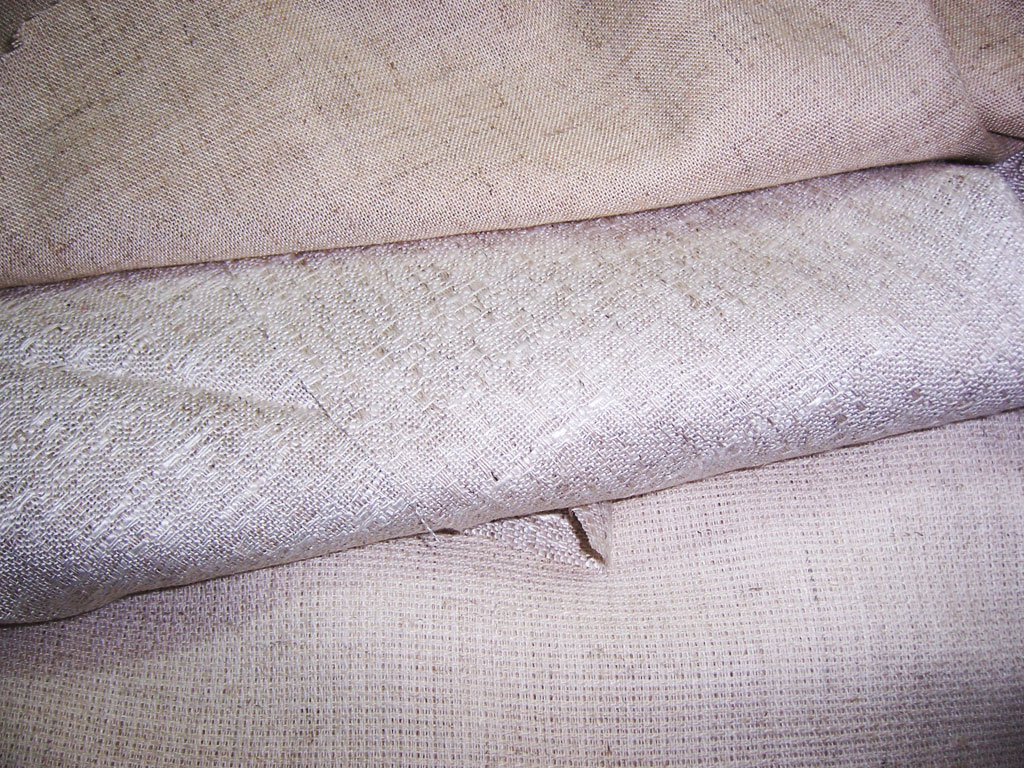
Washing Linen at Home Without Shrinkage
Temperature settings, detergent choice, and machine cycles that keep linen dimensionally stable through repeated washing.
Read articleWashing temperatures, drying methods, and storage practices for natural-fiber household textiles used in Poland.
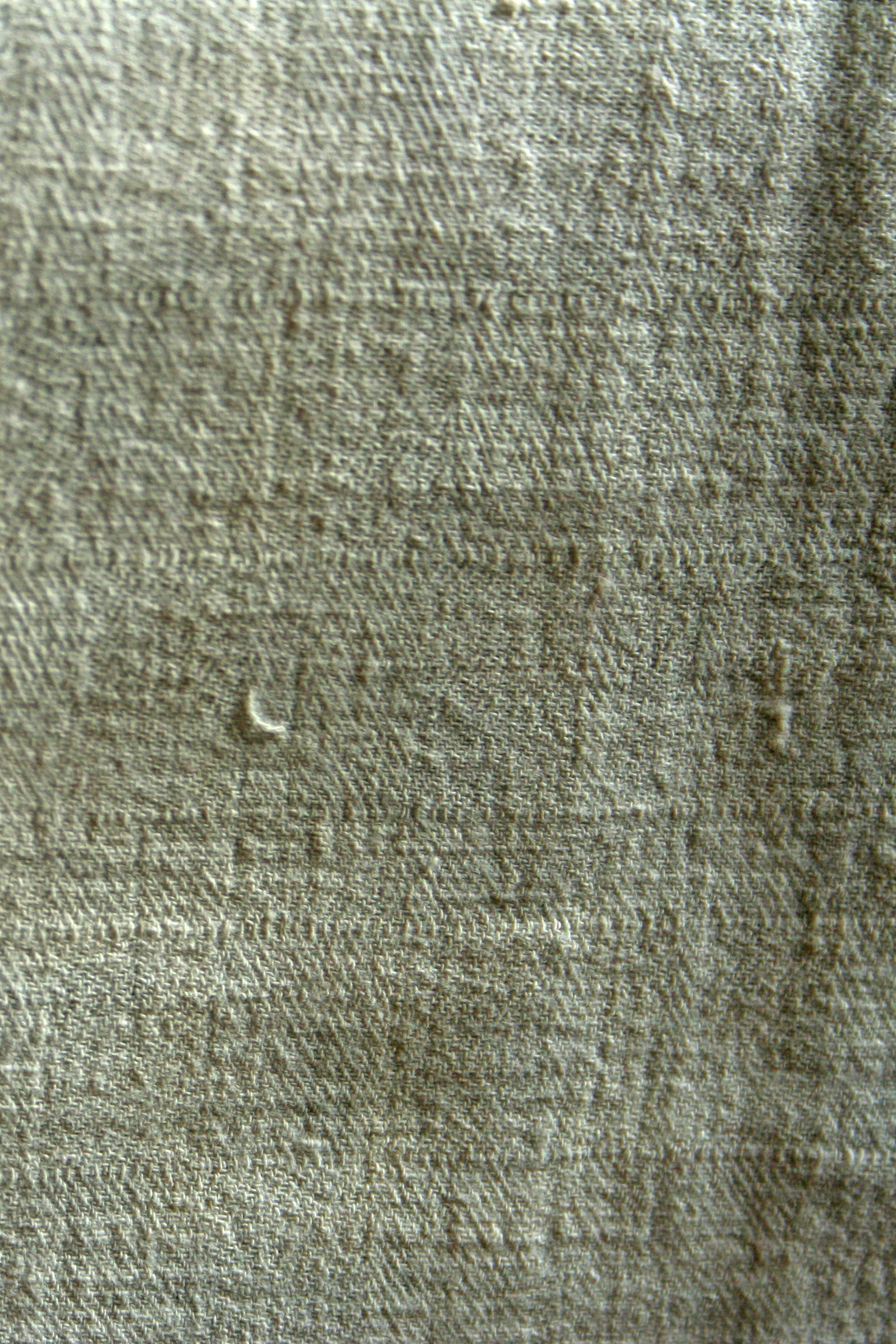
Detailed notes on the most common questions about natural-fiber textiles in the household.
Temperature settings, detergent choice, and machine cycles that keep linen dimensionally stable through repeated washing.
Read article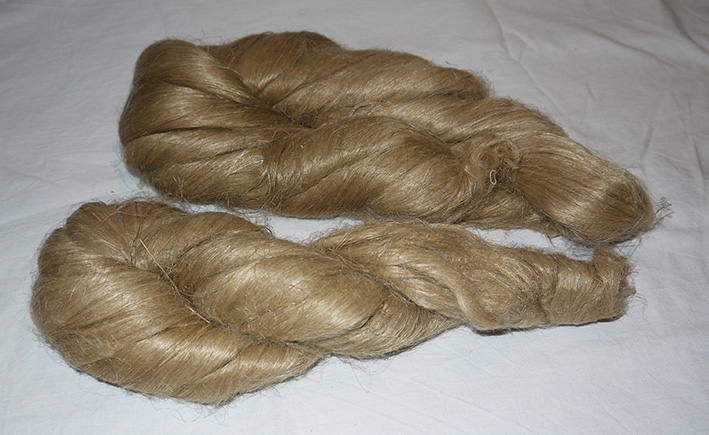
How to dry linen and hemp textiles flat, on a line, or in a tumble dryer — and when each method is appropriate.
Read article
Folding methods, container choices, and seasonal considerations for keeping hemp textiles in good condition over many years.
Read articleLinen is woven from flax fibers and has a tightly aligned cellulose structure. This makes it stronger than cotton when wet, but also more sensitive to high wash temperatures and aggressive spin cycles. The fiber softens noticeably after repeated washing, which is why many household linens — tablecloths, dish towels, pillow covers — feel coarser when new and improve with age.
Hemp cloth shares a similar cellulose base but comes from a thicker, rougher stalk. The resulting textile is denser, less prone to pilling, and tolerates prolonged outdoor drying better than linen. Both materials are common in Polish homes, particularly in older rural households where linen bedding and hemp work towels were produced locally until the mid-twentieth century.
Understanding these structural differences matters for everyday care: the wrong spin speed or drying temperature can permanently distort weave geometry, making a tablecloth uneven at the edges or a duvet cover impossible to iron flat.

Pre-washed linen (stonewashed or enzyme-washed varieties) shrinks less. Unwashed linen can lose 3–5% in length at 60°C. Pre-washing at 40°C before first use reduces this. Always check the fabric label; unbleached natural linen is more reactive than dyed versions.
High spin cycles — above 800 rpm for fine linen — create mechanical stress along the warp threads. This leads to permanent lengthwise stretching on tablecloths and napkins. A medium spin at 600–800 rpm and gentle removal from the drum makes flat-drying significantly easier.
Hemp work textiles — floor cloths, utility towels, bag liners — can generally be washed at 60°C without distortion. Linen household items used for food contact (dish towels, napkins) also tolerate 60°C, but decorative linen with complex weave patterns is better kept at 40°C or lower.
Both linen and hemp are cellulose-based and react to anaerobic moisture by developing yellowish staining from cellulose degradation. Textiles must be fully dry — not just surface-dry — before folding into storage. In humid Polish winters this means extended drying indoors, away from direct heat sources.
Questions about specific care situations can be submitted below.